
What to Know Before Repainting Your Home Exterior in Perth
Repainting the exterior of your home involves more than choosing a new colour. The condition of the existing paint, the type of surface, preparation requirements and exposure to Perth’s sun and weather can all influence how the job should be approached.
Understanding these factors before work begins can help you compare quotes more accurately, avoid common painting problems and choose a paint system that suits the property. This guide covers the key things homeowners should consider before repainting, from recognising when the exterior needs attention through to preparation, paint selection, costs and the final inspection.
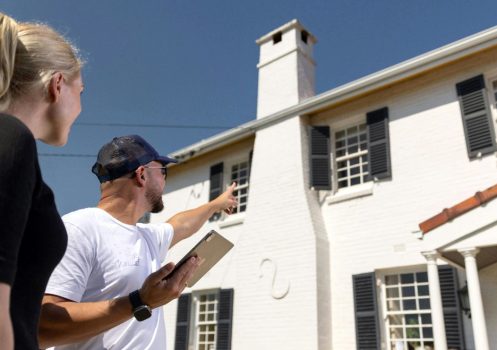
How Do You Know When Your Home Exterior Needs Repainting?
Exterior paint gradually changes as it is exposed to sunlight, moisture, temperature changes and general weathering. In Perth, strong UV exposure can accelerate fading and deterioration, especially on areas that receive direct sun for long periods.
Common signs that an exterior may need repainting include fading, chalking, peeling, cracking, flaking or sections where the coating has started to lose adhesion. Timber surfaces may also show signs of drying, splitting or weathering if the protective coating has deteriorated.
Not every sign of ageing means the whole property needs to be repainted immediately. Some areas may deteriorate faster than others depending on orientation, exposure and the material being painted. A closer inspection can help determine whether the issue is limited to selected areas or whether a broader exterior repaint is appropriate.
Why Proper Surface Preparation Matters for Exterior Painting
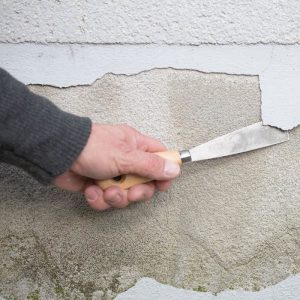
Surface preparation has a major influence on how well exterior paint adheres and how the finished coating performs over time. Painting over dirt, loose paint, chalking, cracks or poorly prepared surfaces can lead to premature peeling, flaking or an uneven finish.
Preparation may include pressure cleaning, scraping or removing loose paint, sanding rough areas, filling cracks and defects, and applying primer where required. You can learn more about why prep work matters in exterior painting and how preparation affects the finished result.
Good preparation also gives painters a chance to identify problems before they are covered by new paint. Addressing these areas first helps create a more stable surface for the new coating and can improve the consistency and durability of the finished result.
Common Exterior Painting Problems and How to Avoid Them
Exterior painting problems can result from rushed application, unsuitable products, moisture issues or a scope that was not clearly defined before work started.
Common issues include peeling or flaking paint, patchy coverage, visible brush or roller marks, premature fading, moisture-related damage and areas that were missed or not prepared correctly. Homeowners can also look for signs of a rushed paint job before it becomes a bigger problem, particularly where preparation, coverage or finishing details appear inconsistent.
Many of these issues can be reduced by inspecting the surfaces first, completing the required preparation and using products suited to the material and exposure conditions. A clear quote and scope of work can also help avoid misunderstandings about what preparation, repairs and areas are included in the project.
Choosing Exterior Paint for Perth’s Climate
Exterior paint needs to cope with more than appearance. In Perth, prolonged sun exposure, heat, UV radiation, wind and seasonal rain can all affect how quickly an exterior coating fades, chalks or deteriorates.
The right paint system depends on the surface being painted, its existing condition and the level of exposure it receives. Render, masonry, timber, doors and trims may require different primers, coatings and finishes, so one product is not necessarily suitable for every exterior area.
Colour choice can also affect performance and maintenance. Darker colours may absorb more heat, while highly exposed elevations can show fading sooner than sheltered areas. Product selection should therefore consider durability, UV resistance, adhesion and suitability for the specific material being painted.
Low-VOC and other lower-emission products may also be worth considering where appropriate, but they should still be selected based on exterior performance rather than environmental claims alone.
How to Choose an Exterior Painter for Your Home
Choosing an exterior painter should involve more than comparing the lowest price. Look at the contractor’s experience with exterior surfaces, the preparation included in the scope, the products they intend to use and how clearly the work is explained before the project begins.
Look for clear communication, relevant experience with exterior work and a willingness to explain how the surfaces will be prepared and which products will be used. The painter should also be able to answer questions about scheduling, access and how the project will be managed from start to finish. Knowing how to choose the right exterior painter in Perth can help you compare contractors on preparation, scope, communication and suitability for the work rather than price alone.
How to Avoid Hidden Costs in an Exterior Painting Quote
Unexpected costs often arise when the original quote does not clearly define the preparation, repairs, materials or areas included in the job.
Before accepting a quote, check whether it explains the condition of the surfaces, the preparation required, how many coats are included, which products will be used and whether areas such as doors, trims, eaves or difficult-access sections are part of the scope. Understanding what should be included in a painting quote makes it easier to compare contractors on the actual work being offered rather than the final price alone.
It is also worth checking how repairs and variations are handled. Cracks, damaged timber, deteriorated coatings or access problems may only become fully visible once work begins, so the quote should make it clear how additional work will be discussed and approved.
Comparing quotes on scope rather than price alone can help reduce surprises. Two quotes may look similar at first, but one may include more preparation, better access allowances or a more complete coating system than the other.
What to Check Before Signing Off on an Exterior Paint Job
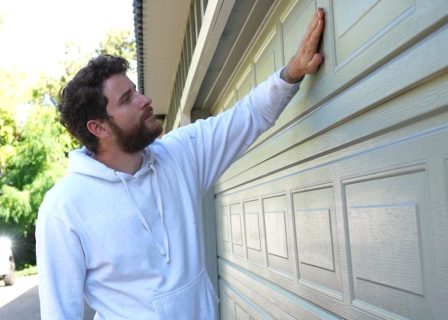
Before the project is considered complete, take time to inspect the finished areas and compare the work against the agreed scope.
Check for consistent coverage, clean edges, missed sections, visible defects, overspray and areas that may need touching up. Doors, trims, eaves and other detailed areas should also be reviewed rather than focusing only on the larger wall surfaces.
It is also worth confirming that the agreed areas have been completed, surrounding surfaces have been left clean and any final touch-ups have been addressed before the job is signed off.
A final walkthrough gives both the homeowner and painter an opportunity to identify anything that still needs attention while the project is still active.
What If You’re Unhappy With the Finished Paint Job?
If you discover a problem with the finished work, document the issue clearly and contact the painter as soon as practical. Photographs, written notes and records of what was originally agreed can make it easier to explain the concern.
Give the painter an opportunity to inspect the issue and discuss how it may be resolved. Keeping communication clear and documenting any agreed corrective work can help avoid further misunderstandings.
If the concern cannot be resolved directly, understanding what to do if you’re unhappy with a painter’s work in Perth can help you work through the next practical steps.
Frequently Asked Questions About Repainting a Home Exterior in Perth
What should I check before getting an exterior painting quote?
Check the condition of the existing paint, any visible cracks or peeling, the surfaces that need painting and whether access may be difficult. A quote should clearly explain the preparation, areas included, products and number of coats.
Why is exterior surface preparation so important?
Preparation helps new paint adhere properly and can reduce problems such as peeling, flaking and uneven coverage. Depending on the condition of the surface, preparation may include cleaning, scraping, sanding, filling and priming.
Should I choose exterior paint based only on colour?
No. Colour is important, but the paint system also needs to suit the surface and its exposure. Durability, UV resistance, adhesion and compatibility with the existing coating should also be considered.
How can I compare exterior painting quotes properly?
Compare the scope rather than the final price alone. Look at what preparation is included, which areas are being painted, the products specified, the number of coats and how additional repairs or variations will be handled.
What should I inspect before the exterior painting job is signed off?
Check coverage, edges, trims, eaves, missed areas, visible defects, overspray and whether the agreed areas have been completed. Any concerns are best raised during the final walkthrough.
What should I do if I notice problems after the painting work is finished?
Start by comparing the finished work with the agreed quote and scope, document the areas of concern and discuss them with the painter. If the issue is not resolved, you may need to consider further practical or consumer-protection steps.
Ready to Take the Next Step With Your Exterior Repaint?
If you are considering repainting your home exterior, having the condition of the surfaces, preparation requirements and project scope assessed can help you understand what the job will involve.
Recommended Painters WA provides exterior painting services in Perth for selected exterior areas and complete home repaints.