
Shipping Container Painting Guide: Rust Preparation, Primers and Protective Coatings
Repainting a shipping container involves more than choosing a colour and applying a fresh coat of paint. The condition of the steel, existing coatings, surface preparation and choice of primer can all influence how well a new finish adheres and performs over time.
Shipping containers are regularly exposed to sunlight, rain, moisture and physical wear. In Perth, prolonged UV exposure and coastal conditions can place additional demands on exterior coatings, particularly where existing paintwork has deteriorated or corrosion has developed.
This guide explains the main considerations involved in shipping container painting, from assessing rust and preparing metal surfaces to selecting compatible primers, protective coatings and suitable maintenance practices. It also highlights common mistakes that can affect coating performance and situations where professional assessment may be appropriate.
Why Proper Shipping Container Painting Matters
Shipping containers are built with steel surfaces that rely on protective coatings to help withstand exposure to the elements. While these coatings provide a barrier against moisture and environmental conditions, they can deteriorate over time through weathering, physical damage and everyday use.
Once the protective finish becomes damaged, exposed metal may begin to corrode, particularly where moisture collects around scratches, joints, edges or areas of failing paint. Repainting can help restore the protective barrier, provided the underlying surface is suitable and the necessary preparation has been completed.
In Perth, prolonged sunlight, seasonal rain and coastal salt exposure can place additional demands on container coatings. The level of exposure varies depending on the container’s location, with coastal sites potentially facing greater corrosion risks than more sheltered inland locations.
A successful repaint therefore involves more than improving the container’s appearance. Assessing existing coatings, addressing corrosion and selecting a compatible paint system all contribute to the performance of the finished coating.
Assessing a Shipping Container Before Painting
Before repainting a shipping container, it’s important to assess the condition of the steel, existing paintwork and any areas of visible damage. This initial inspection helps identify potential problems that could affect coating adhesion and determine how much preparation is required.
Identifying Rust and Corrosion
Surface rust may appear around scratches, exposed edges, welds or areas where the original coating has deteriorated. Rust staining can also indicate that moisture has reached the underlying metal.
However, not all corrosion is superficial. Heavily corroded areas, deep pitting or weakened metal may require further assessment and repairs before painting can proceed.
Checking Existing Paintwork and Coating Condition
Shipping containers may retain their original factory-applied coatings or have been repainted several times. Existing finishes should be examined for peeling, cracking, blistering, chalking and areas where adhesion has deteriorated.
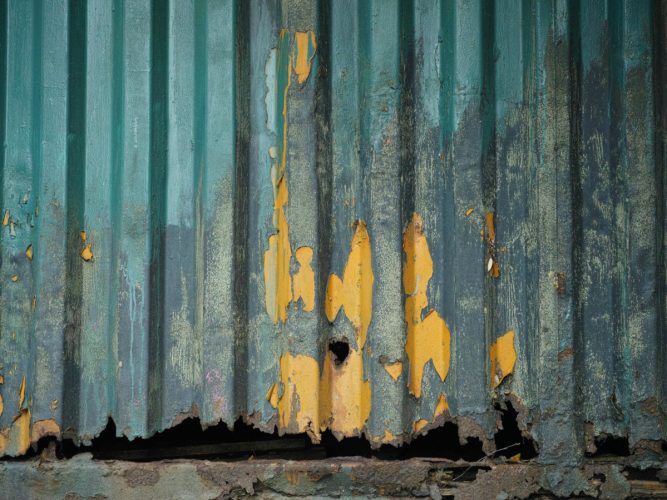
A coating that appears intact may not necessarily be suitable for overpainting. Its condition and compatibility with the proposed primer and topcoat need to be considered before selecting a new painting system.
Recognising Damage That Painting Cannot Fix
Repainting can improve the appearance of a suitable container and restore a protective coating, but it cannot correct structural deterioration or damaged steel.
Significant corrosion, perforations, damaged welds or compromised panels may require appropriate repairs or replacement before coating work begins. Applying paint over these problems can conceal deterioration without addressing its cause.
Identifying these issues early helps establish whether the container is suitable for repainting and what additional work may be necessary.
Rust Treatment and Surface Preparation
Surface preparation is one of the most important stages of shipping container repainting. Applying a new coating over loose paint, corrosion or contaminated metal can compromise adhesion and allow deterioration to continue beneath the finish.
The preparation required depends on the condition of the steel, the existing coating system and the level of corrosion present.
Cleaning and Removing Surface Contamination
Before painting, container surfaces should be checked for accumulated dirt, grease, salts and other contaminants. These can interfere with coating adhesion, even when the existing paintwork appears sound.
Cleaning methods depend on the type of contamination and the requirements of the proposed coating system. Particular attention may be needed around joints, corners, door frames and areas where moisture or debris can accumulate.
Removing Loose Paint and Treating Rust
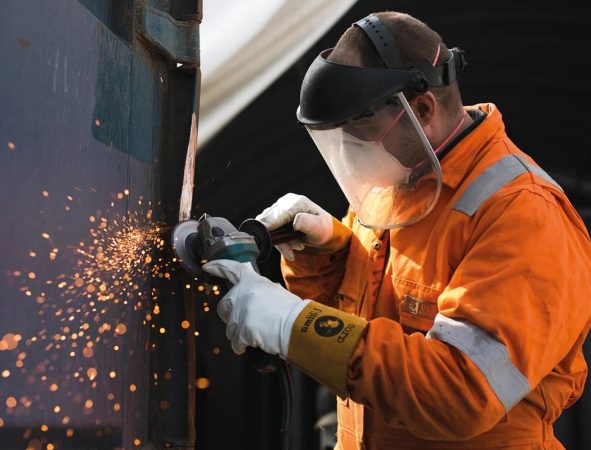
Loose, flaking or poorly adhered paint needs to be addressed before recoating. Areas of corrosion also require suitable preparation to establish a sound surface for the selected primer and coating system.
Depending on the condition of the container, preparation may involve mechanical cleaning, abrasion or more extensive surface treatment. The appropriate method should be determined by the degree of corrosion, the substrate condition and the coating manufacturer’s requirements.
Preparing Existing Coatings for Repainting
Not every shipping container needs to be stripped back to bare metal. Where the existing coating remains sound and compatible with the proposed system, it may be possible to retain suitable areas after appropriate cleaning and surface preparation.
However, loose coatings, unknown finishes and poorly adhered previous paint layers require careful assessment. Applying a new coating without establishing compatibility can lead to blistering, peeling or premature failure.
Understanding common mistakes in rust treatment for steel containers is important when planning a repaint, particularly where existing coatings have deteriorated or corrosion is already present.
How Shipping Containers Are Prepared and Painted
Repainting a shipping container generally involves assessing the existing surface, completing the necessary preparation, applying compatible primers and coatings, and allowing sufficient time for drying and curing.
The preparation and application methods depend on the condition of the steel, any existing paintwork and the selected coating system. Each stage should follow the relevant product specifications, including requirements for surface preparation, application conditions and recoat intervals.
Following the correct steps when painting a shipping container in Perth helps reduce avoidable coating problems and establish a suitable finish for the container’s intended use.
Choosing Primers and Protective Coatings
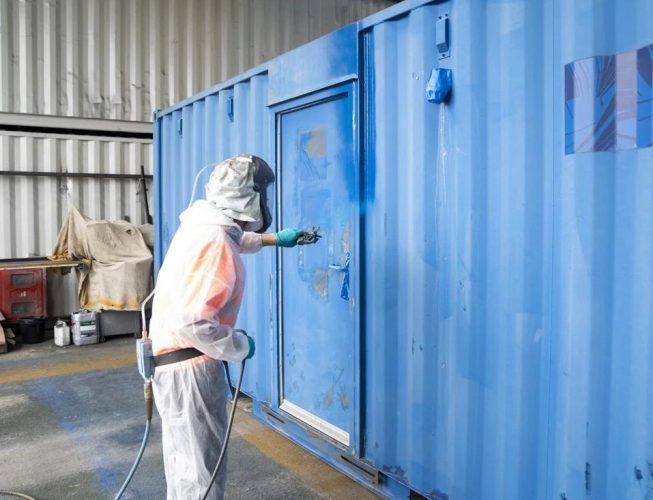
Choosing the right paint system for a shipping container involves more than selecting a colour or exterior finish. Primers, intermediate coats and topcoats perform different functions, and their compatibility can influence how well the finished coating adheres and withstands environmental exposure.
The appropriate system depends on the condition of the steel, the existing paintwork, the intended use of the container and the level of protection required.
Understanding Shipping Container Primers
Primers help establish a suitable foundation for subsequent coatings. Depending on their formulation, they may improve adhesion, provide corrosion protection or prepare the surface for a compatible topcoat.
Different primers are designed for different substrates and preparation conditions. Bare steel, previously coated surfaces and areas affected by corrosion may require different approaches.
For this reason, primer selection should follow an assessment of the existing surface rather than relying on a general-purpose product.
Compatibility with Existing Factory Coatings
Many shipping containers have factory-applied coating systems, while older containers may also have several layers of paint from previous repainting work.
Applying a new coating over an incompatible finish can cause adhesion problems, softening, blistering or peeling. Even where the existing paint appears sound, its suitability for overcoating needs to be established.
Depending on the coating system, this may involve identifying the previous finish, checking manufacturer specifications or conducting compatibility and adhesion tests before proceeding.
Selecting Protective Topcoats
Topcoats provide the visible finish and contribute to the container’s resistance to weathering and everyday exposure.
Different products offer different properties, including colour retention, resistance to moisture and suitability for industrial or coastal environments. Some coating systems are designed primarily for appearance, while others place greater emphasis on corrosion protection or resistance to physical wear.
The primer and topcoat should be selected as compatible components of an appropriate coating system rather than chosen independently.
Perth’s environmental conditions also influence coating selection, particularly where containers are exposed to prolonged sunlight, moisture and coastal conditions. Choosing the best paint for shipping containers in WA’s climate requires considering these factors alongside primer compatibility and the condition of the existing surface.
Protecting Container Paintwork from Perth's Climate and Everyday Wear
Shipping containers used outdoors are exposed to changing weather conditions and physical wear that can gradually affect their painted surfaces. Even a properly applied coating will require maintenance over time, particularly where the container is exposed to harsh conditions or frequent handling.
In Perth, the combination of strong sunlight, seasonal rainfall and coastal environments makes the container’s location and intended use important considerations when evaluating coating performance.
UV Exposure and Colour Deterioration
Prolonged sunlight can cause some paint finishes to fade, chalk or lose their original appearance. The extent of deterioration depends on the coating formulation, colour, exposure and condition of the existing finish.
Containers positioned in open yards or other exposed locations may experience more direct sunlight than those in sheltered areas. UV resistance and colour retention are therefore relevant considerations when assessing the suitability of an exterior coating system.
Moisture, Coastal Salt and Corrosion Risks
Moisture can contribute to corrosion where protective coatings have become damaged or no longer provide an effective barrier over the steel.
Containers located near Perth’s coastline may also be exposed to airborne salts, which can increase corrosion risks, particularly around damaged coatings, seams, edges and areas where water collects.
The level of exposure varies between locations. Coastal containers may require a different approach to coating protection and maintenance than those used in more sheltered inland environments.
Scratches, Abrasion and Everyday Container Use
Shipping containers can experience physical wear during transport, storage, loading and routine operations. Scratches, impacts and abrasion may damage the coating and expose the underlying metal.
High-contact areas such as door frames, locking mechanisms, corners and surfaces exposed to equipment movement may require more frequent inspection.
Although suitable coatings can improve resistance to everyday wear, they cannot prevent all physical damage. Areas exposed to frequent contact or abrasion should be considered when planning ongoing maintenance.
How Much Does Shipping Container Painting Cost in Perth?
The cost of painting a shipping container in Perth depends on its size, existing condition, preparation requirements and the coating system selected. A container that needs a straightforward colour refresh may involve considerably less preparation than one affected by extensive rust or deteriorating paintwork.
Container Size and Surface Condition
Larger containers generally require more materials and labour, although the overall cost also depends on the number of surfaces being painted and their accessibility.
Containers with peeling coatings, corrosion or damaged metal may require additional preparation or repairs before painting can begin.
Surface Preparation and Coating Requirements
Cleaning, rust treatment, removal of deteriorated coatings and priming can all influence the project cost.
The type of paint system also matters. Different primers and protective coatings have different material costs, application requirements and drying or curing times.
Access, Location and Project Scope
The container’s location, access around its exterior and site requirements can affect the work involved. Additional considerations may include moving equipment, protecting surrounding surfaces and coordinating painting around business operations.
The extent of preparation, coating specifications and site accessibility can significantly affect the final quotation. These considerations also help explain how much sea container painting costs in Perth and why prices can vary between projects.
Container Colour Changes, Branding and Mural Painting
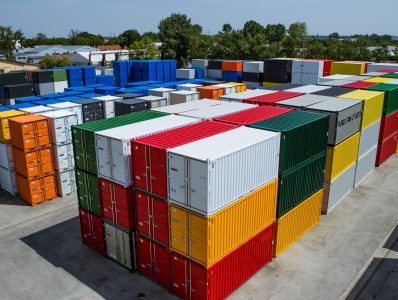
Shipping containers are used for more than transport and storage. Businesses may repaint containers to match their premises, improve their appearance or incorporate company colours, logos and custom graphics.
A colour change can refresh an existing container, while branded finishes can help identify a business or create a distinctive appearance for commercial and promotional applications. The existing coating condition, surface preparation and intended design should be considered before painting.
For commercial applications, container branding and mural painting in Perth may involve additional planning around artwork, surface preparation and coating compatibility.
Common Shipping Container Painting Mistakes
Even when a shipping container looks freshly painted, mistakes made during preparation or application can affect how well the coating performs. Several common problems are worth considering before starting a repaint.
Inadequate Surface Preparation
Painting over rust, loose coatings or contaminated surfaces can compromise adhesion and allow deterioration to continue beneath the new finish. Proper preparation is essential before applying primers or topcoats.
Incompatible Coating Products
Using primers and topcoats that are unsuitable for the existing surface or incompatible with one another can lead to peeling, blistering or other coating defects. Products should be selected as part of a compatible painting system.
Unsuitable Application Conditions
Temperature, humidity, moisture and wind can affect coating application and curing. Applying paint outside the manufacturer’s recommended conditions, or failing to achieve the specified coating thickness, can compromise the finished result.
Overlooking Underlying Metal Damage
Painting cannot repair steel that has been weakened by extensive corrosion, damaged welds or perforations. These problems may require assessment and appropriate repairs before repainting.
Maintaining a Painted Shipping Container
Regular maintenance can help preserve the appearance of a painted shipping container and identify coating deterioration before it becomes more extensive. The level of attention required depends on the container’s location, frequency of use and exposure to weather or physical wear.
Containers in coastal environments, busy industrial yards or other exposed locations may require more frequent checks than those kept in sheltered conditions.
Inspecting Paintwork for Early Signs of Damage
Periodic inspections can help identify fading, chalking, peeling paint, rust staining and other signs of coating deterioration.
Particular attention should be given to corners, welds, door frames, locking mechanisms and areas where water may collect. Scratches and damaged coatings can expose the underlying steel, increasing the risk of corrosion.
Identifying these issues early allows appropriate maintenance or repairs to be considered before deterioration spreads.
Cleaning Painted Container Surfaces
Dirt, salt deposits and other contaminants can accumulate on containers exposed to outdoor conditions. Periodic cleaning can help maintain their appearance and reduce the build-up of deposits on painted surfaces.
Cleaning methods should suit the existing coating. Mild cleaning products, suitable equipment and gentle washing methods may be appropriate, while aggressive chemicals or abrasive techniques can damage certain finishes.
Manufacturer guidance should be followed where available, particularly for specialised protective or decorative coatings.
Addressing Scratches and Coating Damage
Scratches, chips and areas of peeling paint should be assessed to determine whether localised coating repairs are suitable.
Minor damage may be repairable using compatible preparation and touch-up products. However, areas affected by extensive corrosion, widespread coating failure or underlying metal deterioration may require more substantial work.
Using an unsuitable repair product or coating over poorly prepared surfaces can create further adhesion problems.
Planning for Future Repainting
Even well-maintained coatings deteriorate over time. The need for repainting depends on the condition of the existing finish, the coating system and the conditions the container experiences.
Regular inspection and maintenance records can help identify recurring problem areas and determine when localised repairs are no longer sufficient.
Before arranging a full repaint, the existing coating and underlying steel should be assessed to establish the appropriate preparation and painting requirements.
When to Consider Professional Sea Container Painting
Professional painting may be worth considering when a shipping container has extensive corrosion, deteriorating coatings or preparation requirements that go beyond a straightforward repaint. These conditions may require closer assessment before a suitable painting approach can be established.
Containers used in coastal, commercial or industrial environments may also require specialised protective coatings. Larger projects, multiple containers and work at operational premises can introduce additional considerations involving access, equipment and scheduling.
For projects requiring professional preparation, repainting or protective coatings, sea container painting services in Perth can help establish the appropriate scope of work based on the container’s condition and intended use.
Frequently Asked Questions
Can you paint over existing paint on a shipping container?
Yes, provided the existing coating is sound, properly adhered and compatible with the proposed paint system. Cleaning, surface preparation and compatibility checks may be required before applying new coatings. Loose or deteriorating paint generally needs to be addressed first.
Does every shipping container need a primer before painting?
Not necessarily. Primer requirements depend on the substrate, existing coating, surface preparation and selected paint system. Exposed steel may require a suitable corrosion-resistant primer, while some sound, previously coated surfaces may be recoated using compatible products according to manufacturer specifications.
Can a rusty shipping container be repainted?
A rusty shipping container may be suitable for repainting if the steel remains sound and corrosion can be adequately addressed. Surface rust and deteriorating coatings require appropriate preparation, while extensive corrosion, perforations or weakened metal may need repairs before painting.
Can regular exterior house paint be used on a shipping container?
Standard exterior house paint is not automatically suitable for shipping container steel. Products designed primarily for masonry, timber or other building surfaces may not provide the required adhesion or corrosion protection. Paint selection should account for the metal substrate, existing coatings and exposure conditions.
How long does shipping container paint last?
The lifespan of shipping container paint depends on the coating system, surface preparation, environmental exposure and ongoing maintenance. Containers exposed to coastal conditions, intense sunlight or frequent physical wear may require attention sooner than those in more sheltered environments. Regular inspection can help identify when repairs or repainting may be needed.
Professional Sea Container Painting in Perth
Proper surface preparation, compatible primers and suitable protective coatings all play an important role in shipping container painting. The right approach depends on the container’s existing condition, intended use and exposure to environmental conditions.
Recommended Painters WA provides sea container painting and repainting services across Perth for suitable storage, commercial and industrial containers. Contact our team to discuss your container’s condition and painting requirements, and request a quote based on the scope of work.